woensdag 28 maart 2018

HISTORY OF THE END OF THE WORLD

CHRONOLOGY


When on the isle of Malta fossilized elephant-bones were found, scientist wondered how a small island like Malta could sustain an elephant habitat. They completely forgot, that during the latest Ice-Age, one could walk from Northern Africa, past Malta to the Italian continent. Elephants migrated back and forwards. The Sahara was green, lush and wells and rivers. Black people lived there 25.000 years ago and build houses and herded cattle. There are lots of cavepaintings to prove it.

The same goes for North-Western Europe. The ice covered about a quarter of Europe. Where there was no ice a marshy tundra appeared. The continent was bigger. Sealevels have fallen 200 meters. In that time, 17.000 years ago mammoths and woolly rhinos were hunted by the giant mountainlions. The North Sea and part of the Atlantic (from Scotland to Norway) was dry land and the vegetation attracted horses, giant deer and even hyenas.

Among them, we find signes of human habitation in the North-sea. First there may have been only hunting-parties coming from Northern-France. But when the weatherconditions improved “Doggerland”, as we call the area, was settled. These settlements became permanent and grew into villages and small towns. The inhabitants about 10.000 years ago lived, from (international) trade, agriculture, cattlefarming, especially horses.

We have to ask the question. Where did these people come from?

The ice was just a minor problem for the South. Here civilisations developed, some around the “Black Sea”, a, relatively small, sweet water-lake.

The peace was disturbed by a breakthrough between the Mediterranean See and the “Black Sea. The area was engulfed, slowly in the beginning but soon the breakthrough was complete. The people living there, had to pack there belongings and flee.

At the same time in the Middle-East and Egypt the classical empires succeeded each-other. Sumer, Akkad, Assur, Persia, Greece (Alexander the Great) and Rome.

Iraq, Syria, Turkey, Lebanon and Palestine were green and productif aand were called “the Fertile Crescent”.

But two thousand years of warfare have turned agricultural areas into dessert. But the war not only led to refugees. The conquering, succesfull party deported whole areas outside the Empire. The Jews ended up in Babylon but survived, to be later deported by the Romans (diaspora, the 10 lost tribes.

Logically most of those wanderers, mpved East- and North-East. Into Europe. Some tribes moved on quickly, being pushed by other, but seemingly at random. Other tribes migrated as a whole and targeted their new home-land (Anglo-Saxon, Nordic tribes). But in the end they all ended up on the floor of the North-Sea, “Doggerland”; once to be named “Atlantis”.
 
10-facts-anglo-saxon-warriors
 
ANGLO-SAXON ARMOUR

THE DUTCH REPUBLIC: WORLD EXPANSION: What's left of New Amsterdam in Lower Manhattan


RADIO JERUSALEM: TITLE SAY ALL


THE WORLD WE LIVE IN: THE JFK ASSASSINATION


HISTORY OF THE END OF THE WORLD

CHRONOLOGY


When on the isle of Malta fossilized elephant-bones were found, scientist wondered how a small island like Malta could sustain an elephant habitat. They completely forgot, that during the latest Ice-Age, one could walk from Northern Africa, past Malta to the Italian continent. Elephants migrated back and forwards. The Sahara was green, lush and wells and rivers. Black people lived there 25.000 years ago and build houses and herded cattle. There are lots of cavepaintings to prove it.

The same goes for North-Western Europe. The ice covered about a quarter of Europe. Where there was no ice a marshy tundra appeared. The continent was bigger. Sealevels have fallen 200 meters. In that time, 17.000 years ago mammoths and woolly rhinos were hunted by the giant mountainlions. The North Sea and part of the Atlantic (from Scotland to Norway) was dry land and the vegetation attracted horses, giant deer and even hyenas.

Among them, we find signes of human habitation in the North-sea. First there may have been only hunting-parties coming from Northern-France. But when the weatherconditions improved “Doggerland”, as we call the area, was settled. These settlements became permanent and grew into villages and small towns. The inhabitants about 10.000 years ago lived, from (international) trade, agriculture, cattlefarming, especially horses.

We have to ask the question. Where did these people come from?

The ice was just a minor problem for the South. Here civilisations developed, some around the “Black Sea”, a, relatively small, sweet water-lake.

The peace was disturbed by a breakthrough between the Mediterranean See and the “Black Sea. The area was engulfed, slowly in the beginning but soon the breakthrough was complete. The people living there, had to pack there belongings and flee.

At the same time in the Middle-East and Egypt the classical empires succeeded each-other. Sumer, Akkad, Assur, Persia, Greece (Alexander the Great) and Rome.

Iraq, Syria, Turkey, Lebanon and Palestine were green and productif aand were called “the Fertile Crescent”.

But two thousand years of warfare have turned agricultural areas into dessert. But the war not only led to refugees. The conquering, succesfull party deported whole areas outside the Empire. The Jews ended up in Babylon but survived, to be later deported by the Romans (diaspora, the 10 lost tribes.

Logically most of those wanderers, mpved East- and North-East. Into Europe. Some tribes moved on quickly, being pushed by other, but seemingly at random. Other tribes migrated as a whole and targeted their new home-land (Anglo-Saxon, Nordic tribes). But in the end they all ended up on the floor of the North-Sea, “Doggerland”; once to be named “Atlantis”.


THE ANTE-DILUVIAL WORLD: NOTH-WESTERN EUROPE - BEOWULF


HARLINGER HISTORIE

foto van Kor de Vries.

dinsdag 27 maart 2018

De wekelijkse nieuwsbrief van Historiek (week 13 - 2018)
Historiek, het online geschiedenismagazine
Machtiger dan de zon

Machtiger dan de zon

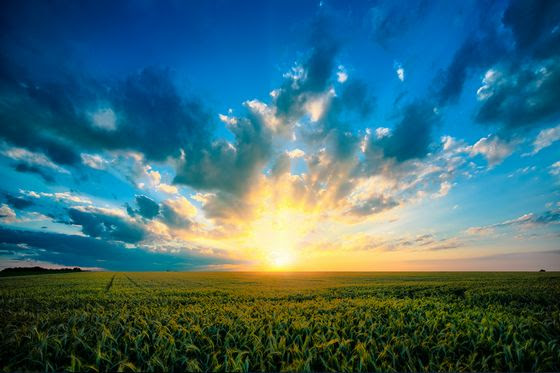
De klok moest in het voorjaar een uur vooruit gezet worden (en in het najaar een uur terug), zodat de mensen ’s ochtends zouden kunnen profiteren van het vroege zonlicht en ‘s avonds een uur minder gebruik hoeven maken van energievragend kunstlicht. Lees bericht
George Washington steekt de Delaware over, 1776. Schilderij van Leutze

“Amerikaanse vrijheid was blanke vrijheid”

De geschiedenis van de Amerikaanse revolutie is er één die vooral bepaald werd door blanke mannen. Zij gaven van 1775 tot 1783 leiding aan de vrijheidsstrijd tegen de Britten, ondertekenden in 1776 de onafhankelijkheidsverklaring en stelden de grondwet van de Verenigde Staten op. Lees bericht
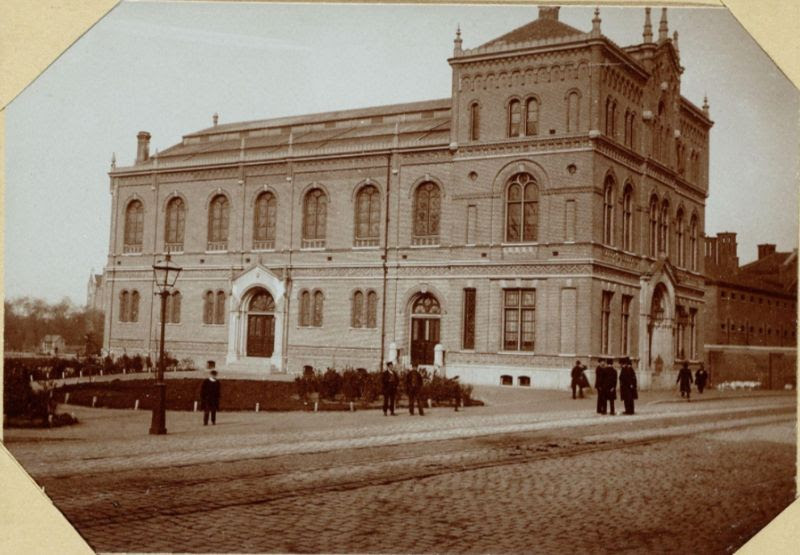
De Gevangenpoort en Plaats te Den Haag. Schilderij: Pieter Daniel van der Burgh, 1825 – 1860. Naast de Gevangenpoort bevond zich de galerij met de schilderijencollectie. Rijksmuseum, Amsterdam.
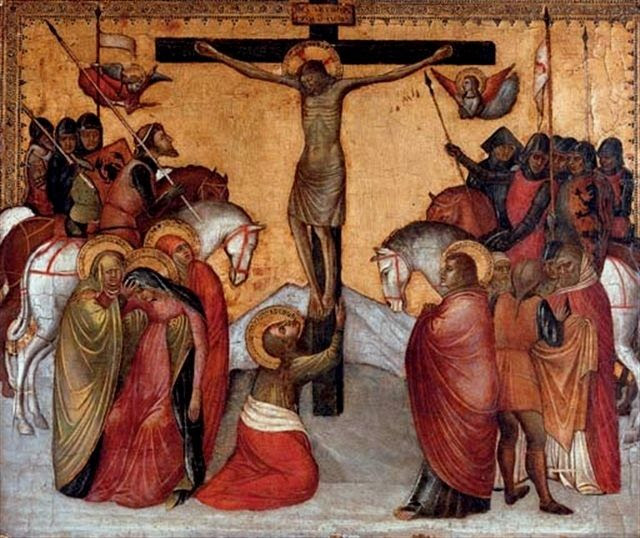
Kruisiging van Jezus - Jacobello Alberegno, 1375-97

Geschiedenis van de Matthäus-Passion van Bach

De Matthäus-Passion is een van de bekendste composities van Johann Sebastian Bach. De compositie vertelt het lijdensverhaal van Jezus volgens Matteüs.
Lees bericht
De negerhut van Oom Tom - Harriet Beecher Stowe

De negerhut van Oom Tom - Harriet Beecher Stowe

Op 20 maart 1852 verscheen het boek Uncle Tom's Cabin or Life among the Lowly van Harriet Beecher Stowe. In Nederland werd dit belangrijke werk later uitgegeven als De Negerhut en als De negerhut van Oom Tom. Het boek neemt een bijzondere plaats in de (Amerikaanse) literatuurgeschiedenis in. Lees bericht
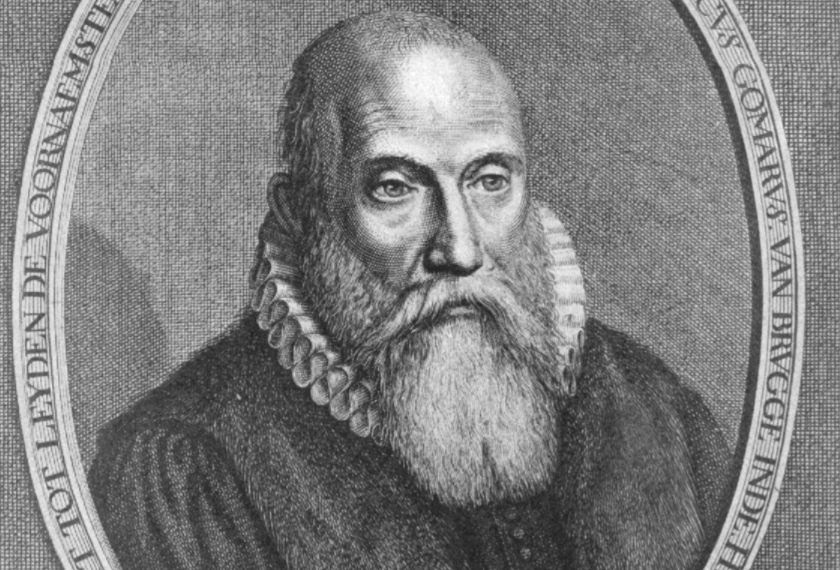
Franciscus Gomarus (1563-1641) - Gereformeerd theoloog

Franciscus Gomarus, gereformeerd theoloog

De predikant en latere hoogleraar theologie Franciscus Gomarus (1563-1641) staat bekend als een van de gezichtsbepalende Nederlandse theologen van de zeventiende eeuw. Gomarus stond lijnrecht tegenover de theoloog Jacobus Arminius (ca.1559-1609). Lees bericht
Pendule van Foucault in het Panthéon in Parijs

Léon Foucault liet draaiing van de aarde zien

De naam van Léon Foucault leeft voort vanwege zijn visualisatie van de draaiing van de aarde om haar as, en de manier waarop hij dat deed. Lees bericht
Watergeuzen in een sloep bij de Slag bij Lillo op een 16e-eeuws wandtapijt (cc - Mischa de Muynck)

Watergeuzen tijdens de Tachtigjarige Oorlog

Wie waren de watergeuzen precies? Welke rol speelden zij tijdens De Opstand tegen Spanje, met name in het Waddengebied? Hoeveel schepen maakten zij buit in de piekjaren van de kaapvaart die de watergeuzen bedreven? Lees bericht
Steun ons werk en koop uw geschiedenisboeken in de:
Logo-winkel2

Verder op Historiek:

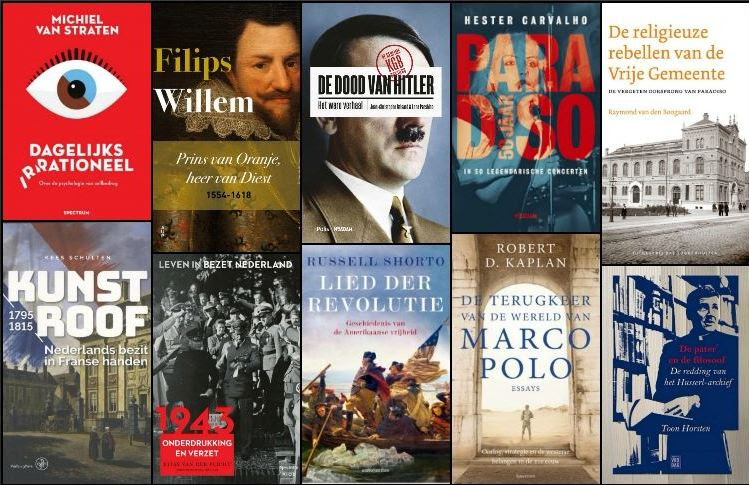
Nieuwe geschiedenisboeken (week 13) - 2018

Nieuwe geschiedenisboeken (week 13) - 2018

Wekelijks verschijnen er nieuwe geschiedenisboeken. Van lijvige studies tot publieksboeken en van naslagwerken tot historische strips. Op Historiek plaatsen we veel voorpublicaties en we bespreken zoveel mogelijk titels, maar alles bespreken is ondoenlijk. Daarom hebben we de rubriek 'signalementen'. Hier plaatsen we wekelijks een bericht met daarin recent verschenen en besproken titels. Lees bericht
support
Historiek is afhankelijk van advertentie-inkomsten en donaties. Blij met ons werk? Overweeg ons te steunen met een donatie of koop uw boeken in onze winkel. Daarmee maakt u ons werk mede mogelijk en houdt u ons archief online.
Bedankt!